

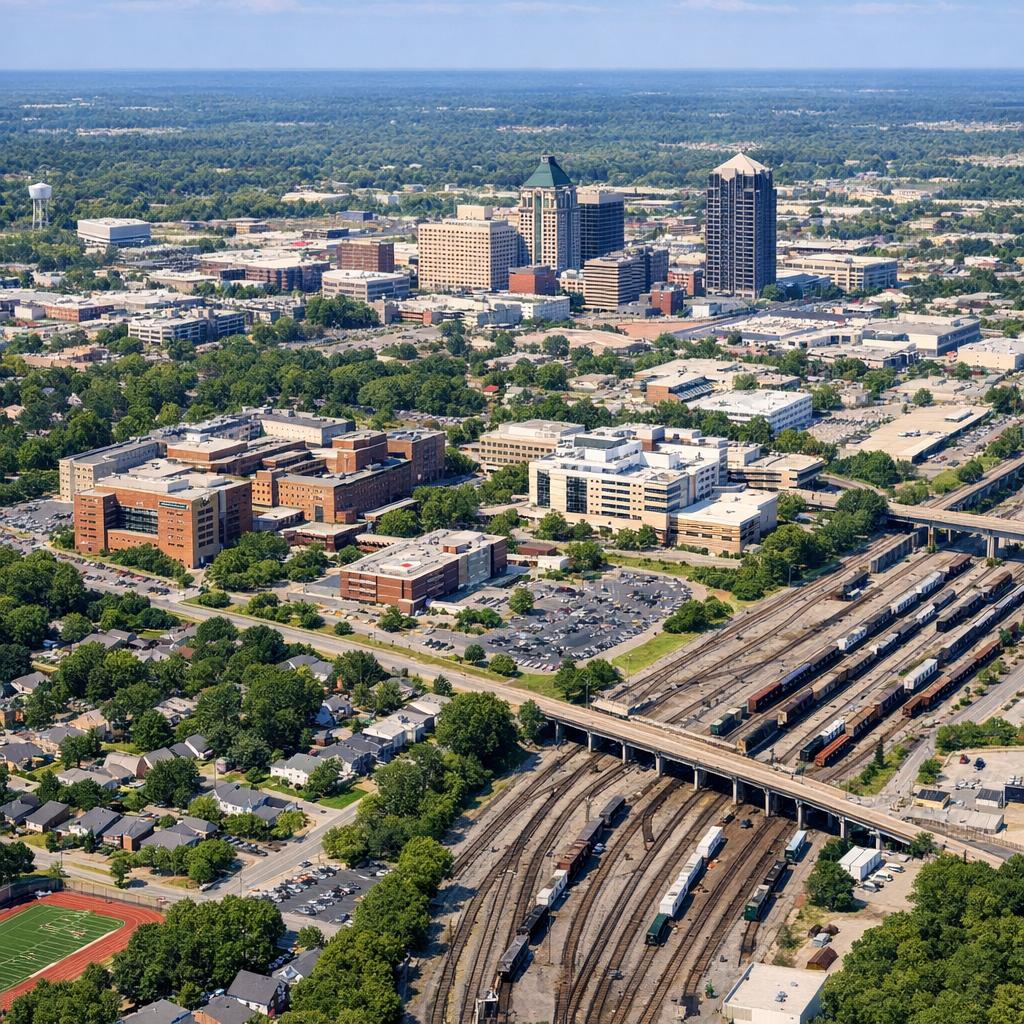
Federal policies significantly influence local communities, and Greensboro, North Carolina, is no exception. Recent federal initiatives have had profound effects on the city’s housing, healthcare, and infrastructure sectors.
Housing Challenges Amid Expiring Federal Programs
The expiration of federal programs designed to maintain affordable housing has posed challenges for Greensboro residents. For instance, the conclusion of the Low-Income Housing Tax Credit (LIHTC) program’s restrictions led to deteriorating living conditions at New Garden Place Apartments. Residents reported issues such as lack of heating and electrical problems, highlighting the critical role federal support plays in housing stability. Source
Healthcare Concerns Following Federal Legislation
Changes in federal legislation have also impacted healthcare access in Greensboro. The implementation of work requirements for Medicaid recipients, as part of broader federal reforms, is projected to reduce coverage for many North Carolinians. Local officials express concern that these changes could destabilize the state’s healthcare system, particularly affecting rural hospitals and vulnerable populations. Source
Infrastructure Developments Through Federal Funding
On a positive note, federal investments have bolstered Greensboro’s infrastructure. The North Carolina Railroad Company received over $105 million in federal funding to enhance freight and passenger rail networks between Greensboro and Raleigh. This investment aims to improve on-time performance for existing Amtrak routes and accommodate additional passenger trains, addressing the region’s growing transportation needs. Source
These developments underscore the profound impact federal policies have on Greensboro’s community. As residents, staying informed and engaged with these changes is essential to advocate for policies that best serve our city’s needs.